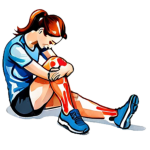
Lesson 6-Weight Management and Its Impact on Joint Pain
Many people in middle age start to notice joint pain that makes moving around harder. This can be frustrating because your joints help you do everyday things like walking, bending, or climbing stairs. One big cause of joint pain is carrying extra weight. When you have more weight than your body needs, your joints have to work much harder. This extra work can cause pain, stiffness, and swelling. Your knees, hips, and lower back feel the most pressure because they help carry your body's weight when you stand, walk, or move around.
But there is good news. You can help your joints feel better by managing your weight in smart ways. Losing even a small amount of weight makes a big difference. For example, losing just 10% of your body weight can reduce how much pressure your joints hold, which lowers pain and helps you move easier. Also, carrying extra fat causes your body to have more inflammation — a kind of swelling inside your joints that makes pain worse and slows healing. By managing weight and eating foods that fight inflammation, you can protect your joints and feel less discomfort.
Besides weight, building muscle strength around your joints is very helpful. Strong muscles support your joints and keep them stable. This means less chance of injury and better balance so you can avoid falls. Exercise is a key way to build muscle safely and burn calories to lose weight. But it’s important to choose exercises that don’t hurt your joints, like swimming or cycling, which are gentle yet effective.
What you eat also plays a big role. A joint-friendly diet full of fruits, vegetables, lean proteins, and healthy fats not only helps you lose weight but also reduces inflammation. Making small changes, such as drinking water instead of sugary drinks or swapping chips for nuts, can add up to big improvements over time.
Setting real, achievable goals for weight loss and physical activity helps keep you motivated and on track. For people with joint pain, slow and steady weight loss is safest and improves comfort. Tracking your progress, such as by writing down your weight and how your joints feel, helps you see what works and when to adjust your plan. Sometimes, professional help from doctors, therapists, or dietitians makes a big difference because they can give you personalized advice that fits your needs.
In this lesson, you will learn how excess weight affects your joints and the ways you can manage weight to reduce joint pain. You will discover how to calculate a healthy weight, set realistic goals, follow nutrition and exercise principles, use behavior techniques to stay focused, and track your progress. This information aims to help you improve your mobility, reduce inflammation and stiffness, build muscle strength, and enjoy a more comfortable, active life.
 How Excess Weight Strains Joints
 How Excess Weight Strains Joints
Have you ever wondered why carrying extra weight can make your knees or hips hurt more? Imagine your joints are like small bridges that carry the weight of your body every time you move. When you add extra weight, these bridges have to hold much more pressure, and that can damage them over time.
One big reason excess weight strains your joints is the increased force on them. For example, when you walk, the pressure on each knee is about three times your body weight. If you jump, it can be ten times your weight. So, gaining extra pounds means your knees and hips must handle much more force every day. This extra force can wear down the cartilage, the smooth covering that helps your joints move easily. When this cartilage wears away faster than normal, it causes pain and stiffness, leading to a joint condition called osteoarthritis.
Let’s look at a real-life example. Maria is a woman who weighs 50 pounds more than her healthy weight. Every step she takes puts more pressure on her knees and hips. Over time, this has caused her joint cartilage to wear down more quickly, making it hard for her to walk without pain. If Maria loses just 10 pounds, it would reduce the pressure on her knees by 30 pounds. This simple weight loss shows how even a small change can help protect joints from further damage.
Another way extra weight strains joints is through increased inflammation. Fat cells in the body are not just storage; they release substances that cause inflammation, including in joints. This inflamed state can make joint pain and arthritis worse. Think of inflammation like a small fire inside your joint. Excess weight adding more fuel to that fire makes the pain and damage worse. This is why people who are overweight often feel more joint stiffness and soreness, especially in weight-bearing joints like the knees and hips.
Take John, who has rheumatoid arthritis, a joint disease caused by inflammation. His extra body fat releases chemicals that raise inflammation levels, making his arthritis worse and causing joint swelling. Even with medicine, his extra weight slows down healing and relief. This example shows how weight affects not just the load on joints but also the health of the joint tissues themselves.
The spine, especially the lower back, also suffers from excess weight. Carrying extra pounds in your upper body pushes down on the spine’s joints, called facet joints. This pressure can lead to back pain and arthritis in the spine. Imagine stacking heavy boxes on a fragile shelf. The shelf may start to crack or bend over time, just like your spine joints under too much pressure. People with extra weight often report more lower back pain and stiffness because their spine joints struggle to handle the extra load.
Here’s a step-by-step look at how excess weight harms joints:
- Step 1: Extra weight presses more on joints like knees, hips, and spine.
- Step 2: This pressure wears down cartilage faster than normal.
- Step 3: Damaged cartilage causes bones to rub together, creating pain.
- Step 4: Fat cells release chemicals that cause inflammation, making pain and stiffness worse.
- Step 5: Over time, joint damage grows, limiting movement and causing disability.
It is important to know that not all joints are affected the same. The knees carry more weight when walking or standing, so excess weight hits them hardest. Studies show that obesity increases the risk of knee arthritis by about 60%. Hip joints are also affected but seem less sensitive to weight changes than knees.
For example, a man named Dave noticed his knee pain worsened when he gained weight but did not see much change in his hip pain. This fits many research findings that the knees respond more to weight changes than hips. This means protecting your knees by managing weight can help you move easier and feel less pain.
Here are some practical tips to reduce how excess weight strains your joints:
- Tip 1: Try to lose even a small amount of weight. Losing 10% of your body weight can improve joint pain and function.
- Tip 2: Use low-impact exercises like swimming or cycling to avoid putting extra stress on your joints while moving.
- Tip 3: Pay attention to your posture and walking form to reduce uneven stress on your joints.
- Tip 4: Build up muscle strength around your joints. Strong muscles support joints and reduce strain.
Let’s look at a detailed story. Susan is a 55-year-old woman with knee osteoarthritis. She weighed 30 pounds more than recommended. Each step was painful because her knees had to carry extra force. Susan started swimming and slowly lost 15 pounds. With less weight, her knee pressure dropped by about 45 pounds each step. She also did simple leg exercises to strengthen muscles. Over time, Susan felt less pain, could walk longer, and had better balance. This example shows how weight loss plus muscle strength reduces joint strain and improves daily life.
To understand better how excess weight harms joints, think of your joints as hinges on a door. If you add a heavy object to the door, the hinges wear out and squeak faster. Extra weight acts like that heavy object. It makes the joints work much harder, causing them to wear out quicker.
In summary, excess weight strains joints mostly by increasing the mechanical load and boosting inflammation. Both of these make joint tissues break down faster. Protecting your joints means managing weight to lower the pressure and reduce inflammation. This helps keep joints working well longer and reduces pain. Even small changes in weight can make a big difference for your joints’ health and your daily comfort.
Calculating Healthy Weight Ranges
Have you ever wondered what weight is best for your body height? Finding a healthy weight range is like knowing the right size shoes to wear — too big or too small causes problems. For middle-aged people dealing with joint pain, knowing your healthy weight range helps you protect your joints and feel better.
1. Using Body Mass Index (BMI) to Find Your Weight Range
Body Mass Index, or BMI, is the most common way to find a healthy weight range. It takes into account your height and weight and gives you a number. This number shows if you are underweight, healthy weight, overweight, or obese.
Here is the simple formula for BMI:
- BMI = weight (kg) ÷ height (meters) squared
For example, if you weigh 70 kilograms and your height is 1.75 meters, your BMI is calculated as:
- BMI = 70 ÷ (1.75 × 1.75) = 70 ÷ 3.06 ≈ 22.9
This BMI number, 22.9, falls into the "healthy weight" range, which is between 18.5 and 24.9. This range is where your risk of joint pain and other health problems is lower.
For middle-aged adults, experts agree that a BMI from about 20 to 25 is best. Older adults (over 74 years) may have a slightly higher healthy range, from 22 to 26.
Example: Jane is 5 feet 6 inches (1.68 meters) tall and weighs 150 pounds (68 kg). Using the BMI formula, her BMI is:
- Convert height: 1.68 m, Weight: 68 kg
- BMI = 68 ÷ (1.68 × 1.68) = 68 ÷ 2.82 ≈ 24.1
Jane’s BMI of 24.1 means she is in the healthy weight range.
Knowing this, Jane can aim to keep her weight around 150 pounds to help protect her knees from extra stress.
2. Calculating Your Healthy Weight Range from BMI
BMI helps not only to find if your current weight is healthy but also to find a healthy weight range for your height. Here’s how you can calculate it:
- Find your height in meters.
- Use the lower limit of healthy BMI (18.5) and multiply it by the square of your height.
- Use the upper limit of healthy BMI (24.9) and multiply it by the square of your height.
- This gives you the lower and upper weight limits for your height.
Example: Mark is 1.80 meters tall. Let’s find his healthy weight range:
- Lower weight limit = 18.5 × (1.80 × 1.80) = 18.5 × 3.24 = 59.9 kg
- Upper weight limit = 24.9 × (1.80 × 1.80) = 24.9 × 3.24 = 80.7 kg
Mark’s healthy weight range is about 60 to 81 kilograms (132 to 178 pounds). Keeping his weight in this range is good for his joints and overall health.
Tip: You can use online BMI calculators to speed up this process. Just enter your height and weight to see your BMI and healthy weight range instantly.
3. Ideal Weight Formulas for More Accurate Targets
Besides BMI, some formulas help find an ideal weight based on height and gender. They give a more personal target than BMI alone because they consider body frame and muscle mass differently for men and women.
Here are popular formulas:
- Hamwi Formula:
- Men: 48.0 kg + 2.7 kg for each inch over 5 feet
- Women: 45.5 kg + 2.2 kg for each inch over 5 feet
- Devine Formula:
- Men: 50.0 kg + 2.3 kg for each inch over 5 feet
- Women: 45.5 kg + 2.3 kg for each inch over 5 feet
- Robinson Formula:
- Men: 52.0 kg + 1.9 kg for each inch over 5 feet
- Women: 49.0 kg + 1.7 kg for each inch over 5 feet
Example: Sarah is 5 feet 4 inches (64 inches) tall. Using the Hamwi formula for women:
- Base weight = 45.5 kg
- Height above 5 feet = 4 inches × 2.2 kg = 8.8 kg
- Ideal weight = 45.5 + 8.8 = 54.3 kg (about 120 pounds)
This ideal weight gives Sarah a target that could help reduce joint stress and improve comfort.
Tip: Try calculating your ideal weight with two or three formulas to see a range of healthy weight targets.
Practical Applications of Calculated Healthy Weight Ranges
Knowing your healthy weight range helps in many ways:
- Set realistic weight goals: If your current weight is above the healthy range, you can plan to lose weight gradually to enter that range. For example, Carl weighs 200 pounds but his healthy range is 140-180 pounds. He can aim to lose 20-60 pounds over time.
- Protect your joints: Staying within the healthy range reduces extra pressure on knee and hip joints. Remember, every extra pound you carry increases joint pressure up to four times that weight.
- Track progress: Use your healthy weight range as a reference when checking your weight regularly. If you move outside the range, you can adjust your habits to avoid joint strain.
Step-by-Step Example: Calculating Healthy Weight Range
Let’s walk through a sample calculation:
Step 1: Measure height in meters. Jake is 5 feet 10 inches tall.
- Convert feet and inches to meters: 5 feet = 60 inches + 10 inches = 70 inches
- 1 inch = 0.0254 meters, so 70 × 0.0254 = 1.78 meters
Step 2: Calculate lower weight limit:
- Lower BMI = 18.5
- Lower weight = 18.5 × (1.78 × 1.78) = 18.5 × 3.17 = 58.6 kg
Step 3: Calculate upper weight limit:
- Upper BMI = 24.9
- Upper weight = 24.9 × (1.78 × 1.78) = 24.9 × 3.17 = 78.9 kg
Step 4: Convert to pounds (1 kg ≈ 2.2 pounds):
- Lower weight = 58.6 × 2.2 = 129 pounds
- Upper weight = 78.9 × 2.2 = 174 pounds
Jake’s healthy weight range is 129 to 174 pounds. If Jake weighs 190 pounds, he should plan to lose weight to enter this range. This will lessen pressure on his knees.
Tips for Accurate and Useful Weight Calculations
- Measure height carefully: Use a wall and a flat ruler to get a precise height measurement. Even a small error affects weight range calculations.
- Use the right units: Always convert height and weight to metric units for BMI and formula calculations, then convert back if needed.
- Recalculate over time: As you lose or gain weight, recalculate your BMI and healthy weight range. This helps track progress and adjust your goals.
- Consider age and body type: Older adults may have a slightly different healthy range. Muscle weighs more than fat, so athletes may have a higher BMI but still be healthy.
- Don’t rely on numbers alone: Use your healthy weight range as a guide. Discuss your target weight with your doctor, especially if you have joint pain or other health conditions.
Case Study: Weight Calculation to Improve Joint Health
Linda is 60 years old and has knee pain. She is 5 feet 5 inches tall (1.65 meters) and weighs 180 pounds (82 kg).
To find her BMI:
- BMI = 82 ÷ (1.65 × 1.65) = 82 ÷ 2.72 = 30.1
Linda’s BMI of 30.1 means she is in the obesity range. Her healthy BMI range is 18.5 to 24.9, so let’s find her healthy weight range:
- Lower weight = 18.5 × 2.72 = 50.3 kg (111 pounds)
- Upper weight = 24.9 × 2.72 = 67.7 kg (149 pounds)
Her healthy weight range is 111 to 149 pounds. Linda and her doctor set a goal for her to lose 20 to 30 pounds. This weight loss could reduce the pressure on her knees by hundreds of pounds, easing pain and improving movement.
Using ideal weight formulas, Linda could also check targets to understand her body better and adjust her goal accordingly.
Summary of Calculating Healthy Weight Ranges
Calculating a healthy weight range helps middle-aged adults protect joints and reduce pain. BMI is the main tool that shows where your weight fits. Using formulas based on height and gender can give more specific targets. Knowing your range sets clear goals and guides healthy weight loss.
Regularly calculating and tracking your weight in relation to your height is a key step in managing joint stress and improving quality of life. Keep measuring, calculating, and adjusting your goals to stay in your healthy weight range and support your joint health.
Setting Realistic Weight Loss Goals
Have you ever tried to lose weight but felt like the goal was too big or far away? Setting realistic weight loss goals helps you stay motivated and on track. Think of your goal like climbing a hill one small step at a time, not jumping to the top all at once. This makes the goal easier and safer, especially for people with joint pain.
Start with Small, Clear Goals
One important way to set a realistic weight loss goal is to begin small and specific. For example, losing 5% to 10% of your current weight is a good starting point. If you weigh 200 pounds, aim to lose 10 to 20 pounds first. This amount can reduce joint pain and help your knees carry less pressure.
Here is a simple example: Mary weighs 180 pounds and wants to improve her knee pain. Her first goal is to lose 18 pounds (10% of her weight). Instead of focusing on losing it all quickly, she plans to lose 1 or 2 pounds each week. This steady pace helps her body adjust and keeps her motivated.
Breaking a big goal like "lose 20 pounds" into weekly mini goals makes it less scary. You can check progress each week, which gives a sense of achievement. This keeps you going without feeling overwhelmed.
Make Goals Measurable and Timely
A good weight loss goal is not just about the number on the scale. It also includes what you will do and when. For example, saying “I want to lose 10 pounds” is clear, but adding a time frame makes it stronger. Try a goal like, “I will lose 10 pounds in 10 weeks by walking 30 minutes at least 3 days a week.”
This kind of goal is easier to follow because you can measure your progress. If you lose 1 pound per week, you know you are on track. If you don’t, you can adjust your plan.
Let’s look at Joe’s case: Joe wants to lose weight for his joint health. His measurable and timely goal is to reduce 15 pounds in 15 weeks by cycling 20 minutes on Mondays, Wednesdays, and Fridays. This clear plan helps him stay focused.
With measurable goals, you can celebrate small wins. For example, after 5 weeks, losing 5 pounds is a sign of success. This positive feeling helps you keep going toward your bigger goal.
Set Goals That Fit Your Life and Ability
Realistic goals must match your everyday life, joint pain level, and physical ability. If you choose goals that feel too hard, you might give up. Instead, pick goals that you can reach with the time and energy you have.
For instance, if walking causes knee pain, try swimming in a pool. It is gentle on joints but still burns calories. Your goal could be “swim for 20 minutes twice a week” instead of “walk 30 minutes every day.”
Here’s a story about Lisa: Lisa has hip pain and cannot walk long distances. Her initial weight loss goal was to join a walking group, but it was too much. After talking with her doctor and therapist, she chose swimming as her exercise. Her goal became swimming 3 times a week for 30 minutes. This goal was realistic for her and helped her lose weight safely.
Also, consider your schedule and preferences. If mornings are busy, pick a time that works best for you, like after work or weekends. A good goal fits your lifestyle, so you can stick with it.
Use a Step-by-Step Approach to Set and Reach Goals
Setting realistic goals works best with clear steps. Here’s a method you can use:
- Step 1: Find your starting weight and decide a small, reachable target (for example, lose 5 pounds).
- Step 2: Choose activities and eating habits you can do and enjoy (like walking or cutting sugary drinks).
- Step 3: Set a time frame to reach this small goal (for example, within 4 weeks).
- Step 4: Track your progress regularly, like once a week, by weighing yourself or noting activity days.
- Step 5: Celebrate small wins and adjust your goals if needed.
This step-by-step approach breaks your journey into moments you can manage. It stops the process from feeling like a giant mountain and makes sure your goals stay realistic and meaningful.
Practical Tips for Realistic Weight Loss Goals
- Write your goals down. Seeing your goal in writing helps you remember and follow it.
- Make goals positive. Instead of “stop eating junk food,” say “eat more fruits and vegetables.”
- Set process goals. Focus on actions, like “walk 20 minutes,” not only on the outcome, like weight lost.
- Be flexible. If you don’t meet a goal, change it to fit your needs better instead of giving up.
Case Study: John's Weight Loss Goals for Joint Pain
John is 55 years old and has knee osteoarthritis. He weighs 220 pounds and wants to lose weight to reduce knee pain.
His doctor recommends losing 10% of his body weight, which is 22 pounds. John breaks this into smaller goals:
- He aims to lose 2 pounds every two weeks.
- He plans to walk 15 minutes every day the first two weeks, then add 5 minutes each week.
- He cuts back on sugary drinks and tracks what he eats using a food diary for feedback.
- His goal is to lose the first 5 pounds in 5 weeks by following this plan.
By focusing on these smaller, clear goals, John feels less stressed and more in control. After 5 weeks, he meets his goal and gains confidence to keep going.
Why Setting Realistic Goals Matters for Joint Pain
Weight loss is one of the best ways to reduce joint pain, but only if it is done safely and steadily. Unrealistic goals often lead to frustration and quitting. Realistic goals help protect your joints by avoiding injury or stress from too much exercise.
Example: Sarah tried to lose 20 pounds in 2 weeks by exercising hard. She hurt her knees and had to stop. Later, she set a goal to lose 1 pound a week by mixing walking and swimming. This goal was kinder to her joints and helped her lose weight without pain.
Remember, losing weight slowly and steadily helps your muscles stay strong. This support helps your joints feel better. Setting goals that match your pace and body needs is key.
Nutrition Principles for Weight Management
Did you know that the foods you eat can be like building blocks for your joints and your weight? Managing weight well means choosing food that helps your body without adding extra stress to your joints. Just like constructing a strong house needs the right bricks, your body needs the right foods to keep your weight healthy and protect your joints.
1. Balance Calories with Nutrients
For weight management, balancing calories in and calories out is key. This means eating just enough food to fuel your body without extra calories that turn into fat. But more than just counting calories, the quality of food matters.
Imagine your plate like a color wheel. Half of it should be filled with colorful fruits and vegetables. These foods are low in calories but high in fiber and nutrients. Fiber helps you feel full longer, so you eat less overall.
For example, Sarah is a 50-year-old with knee pain from arthritis. She started filling half her plate at dinner with steamed broccoli, carrots, and a small side of berries. She noticed she felt full and satisfied without overeating. Over a few months, she lost weight and her knee pain eased.
Next, include lean protein like grilled chicken, fish, or beans. Protein supports muscle strength around joints, which helps protect them. A small portion about the size of your palm is a good rule.
Healthy fats from sources like olive oil, nuts, and avocados should be eaten in small amounts. These fats can help reduce inflammation that often comes with joint pain. But keep fats moderate because they are calorie-dense and too much can add weight.
- Tip: Use a smaller plate to help control portion sizes.
- Tip: Avoid sugary drinks and snacks that add calories but no nutrients.
2. Choose Anti-Inflammatory Foods
Eating foods that fight inflammation is important for joint health and weight management. Chronic inflammation can add to joint pain and make losing weight harder.
Foods rich in omega-3 fats, like salmon, tuna, and walnuts, can help lower inflammation. These fats act like firefighters putting out the “fire” of inflammation in your joints.
For instance, Tom had been struggling with joint stiffness and was overweight. After adding salmon twice a week and snacking on walnuts, he felt his joints were less stiff. Combined with small weight loss, his pain dropped.
Vegetables like spinach, kale, and broccoli have antioxidants and vitamins that protect joints from damage. Berries, such as strawberries and blueberries, also have compounds that reduce swelling.
Adding these foods regularly can slow joint damage and help keep weight stable. Avoid processed foods, sugary snacks, and fried foods because they increase inflammation and add extra calories.
- Tip: Try to eat at least two servings of fatty fish each week.
- Tip: Replace snacks like chips with fresh berries or a handful of nuts.
3. Prevent Weight Gain with Small Daily Changes
Preventing weight gain is just as important as losing weight. Small changes every day can add up to big health benefits over time. This approach is easier to keep up than drastic diets.
For example, Mark noticed he gained about one pound every year since his 30s. To stop this, he made small swaps like choosing water instead of soda and walking after dinner for 15 minutes. Over a year, he stopped gaining weight and even lost some.
Experts say cutting just 30 calories a day can prevent weight gain. That’s like skipping a small cookie or not adding sugar to your coffee. These tiny changes make a big difference over months and years.
Combining healthy eating with movement supports this too, but here we focus on food choices. Keep a food diary to see where you can make small cuts or swaps. This helps you notice patterns and stay aware without feeling overwhelmed.
- Tip: Swap sugary cereals for oatmeal with fruit.
- Tip: Use herbs and spices to flavor food instead of butter or creamy sauces.
Real-World Example: Linda’s Journey with Nutrition and Joint Health
Linda is 55 and has hip osteoarthritis. She wanted to lose weight to ease the pressure on her joint. Instead of a crash diet, she focused on eating more vegetables and fruits while cutting back on fried foods and sweets.
She learned to cook with olive oil and started eating fish twice a week. Linda ate smaller portions and shared restaurant meals with her husband to control calories. Over six months, Linda lost 8% of her body weight, and her joint pain reduced.
She also noticed she had more energy and slept better. Linda’s story shows how smart nutrition choices support weight management and joint health over time without drastic steps.
Practical Steps to Apply These Nutrition Principles
- Plan meals to fill half your plate with colorful veggies and fruits.
- Include lean proteins like chicken, beans, or fish with meals.
- Use healthy fats like olive oil but keep portions small.
- Choose anti-inflammatory foods such as fatty fish, leafy greens, and berries.
- Cut back on sugary drinks and processed snacks that add empty calories.
- Make small daily changes like drinking water instead of soda and swapping chips for nuts.
- Track your daily food to find areas for simple swaps or portion control.
- Celebrate small successes, like choosing fruit over sweets or cooking at home to control ingredients.
By building your eating habits like stacking bricks carefully, you create a strong foundation for managing weight and protecting your joints. These nutrition principles help you stay steady on your weight journey and ease joint pain for better movement and comfort.
Exercise Approaches for Weight Control
Did you know that exercising is like a key that unlocks your body's ability to burn fat and build muscle at the same time? When it comes to controlling weight to reduce joint pain, the right exercise plan can make a big difference.
Let’s explore three main ways exercise helps with weight control: low-impact cardio, strength training, and a combined approach. Each method plays a unique role in reducing weight and easing pressure on joints.
1. Low-Impact Cardio to Burn Fat and Protect Joints
Low-impact cardio means exercises that raise your heart rate but don’t put too much stress on your joints. Examples include swimming, cycling, walking, and water aerobics. These exercises help you burn calories, which is important for weight loss.
Imagine you’re riding a bike through a park. Your muscles work steadily, your heart beats faster, and your body uses stored fat for energy. This helps lower overall body weight. Since low-impact activities don’t pound on your knees or hips, your joints stay protected while you exercise.
For example, Mary, a 55-year-old with knee pain, started swimming three times a week for 30 minutes. After two months, she lost 8 pounds. The lighter weight helped her knees hurt less, and she felt more comfortable moving.
Practical tips for low-impact cardio:
- Start with 10-15 minutes, then add 5 minutes each week until you reach 30-45 minutes
- Choose activities you enjoy to keep going regularly
- Warm up with gentle movements before you begin
- Listen to your body—if you notice joint pain, reduce speed or change the activity
2. Strength Training Builds Muscle to Burn More Calories
Strength training helps build muscle around your joints. The more muscle you have, the higher your resting metabolism—meaning your body burns more calories even when you rest. This helps control weight effectively over time.
Think of your muscles as little engines burning fuel. When you lift weights or use resistance bands, you strengthen those engines. Even after your workout, your muscles keep burning calories to repair and grow.
Steve, a 60-year-old man with hip pain, added strength training two days a week to his routine. He used light dumbbells and resistance bands. After three months, he lost 12 pounds and felt his hips were more stable and less painful.
Practical tips for strength training:
- Use light weights at first—one to three pounds—to avoid strain
- Do 1 to 3 sets of 10-15 repetitions per exercise
- Focus on muscles around hips, knees, and shoulders to support painful joints
- Keep good form to avoid injuries—consider working with a trainer for guidance
- Include rest days so muscles can recover and grow
3. Combining Cardio and Strength Training for Best Results
Research shows that combining aerobic (cardio) and strength exercises is the most effective for weight control and joint health. This approach boosts heart health, burns fat, and builds muscle at the same time.
For example, Lisa, age 58, walked for 30 minutes four days a week and did strength exercises twice a week. After 12 weeks, she lost 15 pounds and felt more energetic. Her joint pain eased because the muscles supporting her joints got stronger and her body weight dropped.
This balanced plan keeps you motivated because you can enjoy variety, and it helps prevent injuries by not overusing any one muscle group.
How to combine workouts:
- Schedule cardio on most days—like walking or cycling
- Add strength training two or three times a week with 24-48 hours rest between sessions
- Include flexibility and balance exercises such as yoga or tai chi to improve overall joint function
- Gradually increase workout time and intensity to avoid setbacks
Understanding Exercise Intensity and Frequency for Weight Control
Exercise intensity means how hard your body is working. For weight control, moderate intensity is often best. This means your heart beats faster but you can still talk comfortably.
Frequency means how often you exercise. Aim for about 150 minutes of moderate exercise each week. For beginners, this might mean doing 30 minutes five days a week or breaking it into shorter sessions, such as three 10-minute walks a day.
Balancing exercise with rest days prevents injury. For example, Jane takes brisk walks on Monday, Wednesday, and Friday, and does strength training on Tuesday and Thursday. She rests on weekends. This plan helps her lose weight steadily without joint pain flares.
Using Exercise to Improve Muscle Strength and Metabolism
Stronger muscles support your joints better, reducing pain and making movement easier. Muscle also burns more calories than fat. So, as muscle grows with strength training, your body burns more calories all day long.
Try exercises like wall squats to strengthen your legs without hurting your knees. Hold the position for 10-30 seconds, rest, and repeat 3 times. This builds muscle safely and helps with joint control.
Isometric exercises, where muscles contract without joint movement, are great on days your joints feel sore. Examples include planks or holding a wall push-up position. These keep muscles active without stressing joints.
Overcoming Challenges with Exercise for Weight Control
Many people find it hard to start or keep up exercise because of joint pain or fatigue. Here are some tips to stay on track:
- Start slow with gentle activities and short sessions
- Choose activities you enjoy, like dancing or gardening, so exercise feels less like a chore
- Use community classes like yoga or tai chi, which are gentle and social
- Keep a simple exercise diary to track your progress and stay motivated
- Talk to a physical therapist who can help create a plan that fits your needs and limits
Case Study: How Exercise Helped Mark Control Weight and Joint Pain
Mark is 62 and had struggled with joint pain and extra weight for years. He started walking for 20 minutes daily and added resistance band exercises twice a week. He also did stretching exercises every day to keep joints flexible.
After six months, Mark lost 25 pounds. His knee pain dropped from 7 out of 10 to 3 out of 10. He felt more confident walking and doing daily activities like gardening. Mark’s doctor praised his progress and encouraged him to keep it up.
This story shows how combining different types of exercise can lead to real benefits for weight and joint health.
Final Tips for Exercise Success in Weight Control
- Mix low-impact cardio and strength training for best results
- Start with small goals, like 10 minutes a day, then increase time gradually
- Focus on proper form to protect joints
- Use rest days to prevent soreness and injury
- Keep hydrated and eat protein-rich foods to support muscle growth
- Track your progress to stay motivated and adjust as needed
Behavior Change Techniques for Success
Did you know behavior change is like building a habit brick by brick? Each brick is a small action that leads to big success over time. When managing weight to reduce joint pain, using smart behavior change techniques helps keep you on track and make lasting changes. Let’s explore three important techniques that improve your chances of success. Each has examples and easy steps to follow.
1. Self-Monitoring: Keeping Track Helps You Stay on Course
Self-monitoring means watching what you do and how you progress. This is one of the most common and useful methods in successful weight management. When you track your actions, like what you eat or your exercise, you get clear feedback. This helps you notice patterns and adjust your behavior.
Example: Imagine Sarah, who has knee osteoarthritis. She uses a simple notebook to write what she eats each day and records how much she walks. After a week, she sees she eats a lot of snacks in the afternoon and skips walking on some days.
Steps to use self-monitoring:
- Pick what you want to track (e.g., food, exercise, mood).
- Use a notebook, app, or calendar to log it daily.
- Review your log every week to find good habits and areas to improve.
- Set small goals to change one behavior at a time based on your log.
Sarah decides to replace afternoon snacks with fruit and commits to short walks every other day. This keeps her motivated and aware of her progress. Over time, self-monitoring helps her keep joint pain low by supporting steady weight loss.
2. Goal Setting: Clear Targets Keep You Focused
Setting goals is like aiming for a target in archery. Clear, specific goals guide your efforts and give you something to aim for. Without goals, it’s easy to lose focus or feel unsure what to do next. For weight management linked to joint pain, realistic goals help you see progress and stay encouraged.
Example: John, who has osteoarthritis, wants to reduce knee pain by losing weight. Instead of saying “I want to lose weight,” he sets a detailed goal: “I will lose 5 pounds in 8 weeks by walking 30 minutes 4 times a week.”
Tips for effective goal setting:
- Make goals specific and clear, not vague.
- Set realistic and achievable targets based on your lifestyle.
- Break big goals into smaller steps or mini-goals.
- Focus on process goals (actions) as well as outcome goals (results).
For John, his first mini-goal is just to walk 15 minutes 3 times a week for the first two weeks. By focusing on what he can do now, he avoids feeling overwhelmed. Gradually, he builds the habit that leads to weight loss and less joint pain.
3. Problem Solving and Barrier Identification: Planning for Challenges
Behavior change often hits bumps in the road. Problems like feeling too tired, not having time to exercise, or craving unhealthy foods can stop progress. Problem solving means spotting these barriers early and making a plan to overcome them.
Example: Lisa noticed she skips her exercise on rainy days because she doesn’t want to walk outside. She identifies this as a barrier to her goal of losing weight and easing hip pain.
Steps to problem solve:
- Think about what stops you from doing your healthy behaviors.
- Write down each problem clearly.
- Brainstorm solutions for each barrier.
- Choose one or two solutions to try first.
- Test your solution and adjust if needed.
Lisa decides to try indoor exercises on rainy days, like simple stretches or walking around the house. She keeps a list of quick exercises and uses reminder notes. This way, rain no longer stops her from moving.
Problem solving also helps when motivation dips or stress gets in the way. You could plan to call a friend for support or swap a tough day’s workout for a gentle yoga session. Knowing what to do ahead of time makes it easier to stick with your goals.
Applying These Techniques Together
Using these techniques at the same time works best. For instance, Sarah, John, and Lisa all use self-monitoring, goal setting, and problem solving to manage weight and reduce joint pain. They watch their progress, aim for clear goals, and plan ways to deal with challenges.
Case Study: Maria, age 60, has rheumatoid arthritis. She wants to lose weight and ease her joint pain. Here’s how she applies behavior change techniques:
- Self-Monitoring: Maria writes down her meals and daily steps in a journal and reviews it each Sunday.
- Goal Setting: She sets a goal to increase walking from 10 to 30 minutes over 6 weeks, gradually adding 5 minutes each week.
- Problem Solving: When her arthritis flares up, she switches to swimming rather than walking. She plans meals ahead to avoid fast food temptation.
Maria’s smart use of behavior change helps her lose weight steadily. She feels less joint pain and more confident in managing her health.
Extra Tips for Success with Behavior Change
- Use prompts and reminders. Set phone alerts or place notes where you’ll see them.
- Reward yourself. Celebrate small wins with things like a relaxing bath or a favorite hobby (not food treats).
- Seek social support. Join a group or find a buddy to share goals and progress.
- Stay flexible. Adjust goals and plans as you learn what works best for you.
Remember, change takes time. The key is to keep building small habits. Each healthy action is like adding a brick to your foundation. Over weeks and months, these bricks become a strong base for better joint health and easier movement.
Tracking Progress and Adjusting Plans
Have you ever tried to fix a bike without checking if the chain was aligned? Tracking progress in weight management for joint pain is like checking the chain. It helps you see if your plan is working or needs fixing. Without tracking, you might keep doing something that doesn’t help your joints or health.
This section will show how to track your weight, joint pain, and activity levels. It will also explain how to adjust your plan based on what you learn. Tracking and adjusting keep your weight loss steady and help reduce joint pain effectively.
1. Track Weight and Joint Pain Regularly
 1. Track Weight and Joint Pain Regularly
Keep a simple daily or weekly record of your weight and joint pain. This record will help you spot patterns and changes over time.
- How to track weight: Weigh yourself once a week, at the same time, like in the morning before eating. Write down your weight in a notebook or use a phone app.
- How to track joint pain: Rate your pain from 1 to 10 each day or every few days. Note when the pain is worse or better. Include which joints hurt and how it affects your movement.
Example: Maria, a 52-year-old with knee arthritis, weighs herself every Monday morning. She also writes down her knee pain level after walking her dog. After a month, she notices her weight dropped 5 pounds and her pain dropped from 7 to 5 out of 10.
Tracking this way helps Maria see the connection between her weight loss and less knee pain. It encourages her to keep going.
2. Use Activity Logs and Self-Check for Mobility
Besides weight and pain, tracking your daily movement and joint flexibility gives key information. Record what exercises you do and how your joints feel.
- Write down activities like walking, swimming, or yoga.
- Note how long you moved and if you felt sore or better afterward.
- Check if your joint stiffness in the morning changes over weeks.
Example: John started walking daily for 20 minutes. He kept a log of his walks and noted that his hip stiffness eased after two weeks. He also felt stronger during his walks. This motivated him to increase walking time slowly.
This kind of tracking helps you connect effort with results in joint comfort and strength. It also shows when to rest or try different exercises.
3. Adjust Your Plan Based on What You Learn
Tracking is only useful if you change your plan when needed. If you see little progress, change your approach. This can mean adjusting your diet, activities, or rest periods.
Here is a simple step-by-step way to adjust:
- Review your records weekly: Look at your weight, pain scores, and activity log.
- Spot trends: Is your weight dropping? Is pain lessening? Are you moving better?
- Decide what needs change: If weight loss slows, try smaller calorie cuts or more activity. If pain increases, reduce high-impact exercises and add gentler movements.
- Make small changes: Don’t overhaul your plan all at once. Try one change per week. For example, add 5 more minutes of swimming or swap a snack for a healthier option.
- Track again: See how your adjustment affects weight and pain over the next two weeks.
Example: Sarah’s weight stayed the same for two weeks, but joint pain rose. She realized her walks were straining her knees. She swapped some walks for swimming and added gentle yoga. After tracking, she saw less pain and slow weight loss again.
4. Practical Tips for Better Tracking and Adjusting
- Choose simple tools: Use a notebook, chart, or free phone apps designed for weight and pain tracking.
- Set reminders: Create alarms to record your data consistently. This builds a helpful habit.
- Involve others: Share your progress with a weight loss buddy or support group to stay motivated.
- Celebrate small wins: Reward yourself for meeting goals like a week of good tracking or reducing pain.
- Listen to your body: If pain worsens, adjust activities quickly instead of pushing through.
For example, Tom used a simple chart taped to his fridge to mark daily weight and pain. His daughter checked it with him once a week. This support helped Tom adjust his meals and exercises thoughtfully.
5. Case Study: Tracking and Adjusting for Long-Term Success
Let’s look at Lisa, who has arthritis in her knees and wants to lose 20 pounds.
- Step 1: Lisa starts by tracking her weight weekly and rating knee pain daily.
- Step 2: She logs her exercise, mostly water aerobics and light walking.
- Step 3: After 3 weeks, Lisa sees a 5-pound loss and pain drop from 6 to 4 out of 10.
- Step 4: At week 4, her weight plateaus and pain rises slightly after she began jogging.
- Step 5: Lisa adjusts by stopping jogging and increasing swimming and yoga instead.
- Step 6: She tracks the effects, noticing pain eases and weight loss restarts.
- Step 7: Lisa continues this loop of tracking and improving over several months.
Lisa’s careful tracking helped her avoid increasing joint damage from jogging. It showed when new habits worked or hurt her joints. Adjusting based on real data kept her plan realistic and effective.
6. Why Regular Tracking and Adjusting Matter
Weight loss and joint pain relief do not follow a straight line. Some weeks are easier, others harder. By tracking, you catch these ups and downs early. Adjusting stops problems from growing bigger.
For middle-aged people with arthritis, this approach helps balance safe activity and weight loss. It reduces the risk of joint injury and supports steady progress.
Think of this like steering a small boat across a lake. Without looking at the compass (tracking), you might drift off course. Adjusting your direction prevents you from ending up in weeds or rocks. The same goes for managing weight and joint pain with tracking and adjustment.
Seeking Professional Support
Did you know that getting help from a doctor or specialist can completely change how you manage joint pain related to weight? Think of professional support like having a skilled mechanic for your car. They not only fix problems but also guide you on how to keep your car running smoothly. In this case, your joints are the car, and health professionals are your helpful mechanics.
Seeking professional support means connecting with health experts who understand how weight affects your joints. These experts include doctors, physical therapists, dietitians, and sometimes counselors. Their main goal is to help you reduce joint pain and improve how well you move by giving you clear advice and personal care.
1. How Doctors Help Guide Your Journey
Doctors are often the first people you see when joint pain gets worse or when you want to start managing your weight to ease joint stress. They do much more than just prescribe medicines. For example, a doctor can assess your joint health and overall weight impact.
One way doctors help is by giving you clear advice on safe physical activity. They will consider your unique body needs and might suggest low-impact exercises like walking or swimming. These activities help strengthen the muscles around your joints, which supports and protects them.
Doctors can also connect you with specialists like physical therapists or dietitians. For instance, if you have knee pain and struggle with weight, a doctor might refer you to a physical therapist. The therapist can create a custom exercise plan to improve your knee strength without causing more pain.
Example: Jill, a 55-year-old woman, visited her doctor because her knee pain made walking hard. The doctor referred her to a physical therapist. Over weeks, Jill learned exercises that helped her walk longer without pain. She also got tips on losing weight safely to ease the pressure on her knees.
2. Physical Therapists: Building Strength and Confidence
Physical therapists (PTs) work closely with people who have joint pain and weight concerns. They teach exercises that are safe and effective. This personalized care helps you move better and protects your joints.
PTs do more than give exercises. They explain how your body works and why certain movements help. This knowledge builds your confidence, reducing fear that moving might hurt your joints more. Many people with joint pain avoid exercise because they worry about injury. PTs help change this mindset.
Besides exercises, PTs may teach you ways to move in daily life without hurting your joints. For example, they might show how to bend safely or how to stand up from a chair to reduce joint strain.
Example: Mike, 60, avoided exercise because he feared making his hip pain worse. After working with a physical therapist, Mike learned gentle exercises and new ways to do everyday tasks. He now feels stronger and less worried about hurting himself.
3. Dietitians and Nutrition Experts: Supporting Weight Loss and Joint Health
Dietitians specialize in helping you eat in ways that support joint health and weight control. Losing weight gently and steadily is important to protect your joints and avoid stress.
These experts create meal plans that fit your tastes and lifestyle. They focus on nutritious foods that reduce inflammation, like fruits, vegetables, and healthy fats, while making it easier to reach a healthy weight.
Dietitians also provide guidance on portion sizes and help you avoid empty calories. They can support you with tips on eating out, grocery shopping, and managing cravings.
Example: Sarah struggled to lose weight on her own and felt joint pain every day. A dietitian helped her discover simple changes, like adding more colorful vegetables and drinking enough water. With this new plan, Sarah lost weight slowly but surely, and joint pain eased.
4. The Value of Behavioral and Emotional Support
Managing weight and joint pain is not only about physical changes. It also involves dealing with feelings like frustration or fear. Some people benefit from working with counselors or support groups.
Talking with a professional counselor can help you stay motivated and handle setbacks. Support groups connect you with others facing similar challenges. Sharing stories can teach new ways to handle pain and weight management.
Example: Tom felt lonely and sad about his arthritis and weight. Joining a local support group helped him find friends who understood his struggles. This emotional support made it easier for Tom to keep up his exercise and healthy eating plans.
5. Practical Steps for Seeking Professional Support
- Start with your primary care doctor. Tell them about your joint pain and weight concerns. Ask for referrals to specialists like physical therapists or dietitians.
- Prepare for appointments. Write down your symptoms, questions, and current challenges. This helps the professional understand your needs and offer the best care.
- Follow the advice and keep communication open. Professionals can adjust your plans as you progress. Be honest about what works and what doesn’t.
- Look for community programs. Some health centers offer free or low-cost activities and support groups for joint health and weight management.
- Use telehealth options. If travel or time is a problem, many professionals now offer video or phone visits to guide you from home.
6. Real-World Case Study: How Professional Support Makes a Difference
Consider Mary, a 58-year-old woman with knee osteoarthritis and obesity. Her doctor explained how weight affects her joint pain and referred her to a physical therapist and dietitian. Mary worked with the PT to build strength with gentle exercises. The dietitian helped her develop a healthy eating plan focused on weight loss and reducing inflammation.
Over six months, Mary lost 25 pounds. Her knee pain dropped significantly, and she could do daily tasks with less effort. Encouraged by her progress, Mary joined a local walking group and continues to meet with her health team. This coordinated professional support has helped Mary experience better joint health and a happier life.
7. Summary of Key Benefits from Seeking Professional Support
- Customized exercise plans protect joints and build strength.
- Personalized nutrition advice helps with steady weight loss.
- Emotional and behavioral support encourages lasting healthy habits.
- Professional monitoring prevents injury and adjusts plans as needed.
- Referrals connect you with the right experts for your needs.
Seeking professional support is a smart and effective step to manage joint pain linked to weight. These experts give you tools, plans, and encouragement needed to improve your joint health safely and steadily.
Building a Healthier Future for Your Joints
Managing your weight is one of the best ways to protect your joints and reduce the pain that slows you down. Carrying extra pounds puts extra pressure on important joints like the knees, hips, and lower back, causing faster wear and more discomfort. But by understanding this connection, you can take powerful steps to ease the load.
Even small amounts of weight loss can have big benefits. Losing just 5% to 10% of your body weight reduces the stress on joints and lowers harmful inflammation in your body. Along with weight control, building muscle strength around your joints supports them and improves your balance, helping you move with less pain and greater confidence.
Eating a joint-friendly diet rich in colorful fruits and vegetables, lean proteins, and healthy fats fuels your body in a way that fights inflammation and helps keep your weight steady. Gentle, low-impact exercises like swimming or cycling allow you to stay active without overloading your joints. Combining these with strength training boosts your metabolism and builds the muscle support your joints need.
Setting realistic, step-by-step goals works best for long-term success. When you track your progress and adjust your plan based on how your body feels, you stay in control and avoid injury. Remember, weight management and joint health are journeys—not races. Progress may be slow at times, but steady steps bring lasting results.
Professional support from doctors, physical therapists, and dietitians can guide you safely through this process with personalized advice and encouragement. They help tailor exercise, nutrition, and pain management strategies just for you.
By learning and applying these principles, you empower yourself to improve mobility, reduce stiffness and inflammation, enhance balance, sleep better, and enjoy daily activities with greater ease and comfort. Taking care of your weight and joints today builds a stronger, healthier foundation for your tomorrow.