Lesson 11-Pain Management Techniques for Long-Term Relief
 Living with joint pain can be tough, especially as we get older. It can make simple daily activities like walking, climbing stairs, or even getting out of bed feel harder than they should. But the good news is that there are many ways to manage this pain and improve your life without relying only on medicines or surgery. When you learn how to use different pain relief tools, such as gentle exercise, heat and cold treatments, natural supplements, and even mind tricks to calm your brain, you can reduce discomfort and move more freely.
This lesson is made just for middle-aged people looking to reduce joint pain and take control of their health. Our goal is to help you improve your movement and lessen stiffness, so you can enjoy daily activities with less struggle. You will discover how to strengthen the muscles around your joints, which acts like adding strong supports to protect them from stress. We will also talk about ways to manage swelling and inflammation that cause pain and discomfort.
Since balance and coordination tend to decline as we get older, increasing your stability is important to prevent falls and injuries. Along with physical exercises, you’ll learn simple habits like using heat or cold therapy at the right times to ease stiffness and soreness. We will explore natural supplements and alternative options like acupuncture and massage that work hand in hand with other treatments to help your joints feel better.
Besides the physical side, managing stress and changing how you think about pain can make a big difference. Relaxation techniques such as deep breathing and mindfulness calm your nervous system, which lowers how much pain your brain notices. Cognitive approaches teach you to challenge negative thoughts that can make pain worse and build healthy coping skills for tough days.
By the end of this lesson, you’ll have a toolbox full of pain management methods designed to fit your lifestyle. You’ll learn how to combine these safely and effectively so you can start each day with less stiffness, sleep better at night, and feel stronger and more confident moving around. These parts all work together like pieces of a puzzle, helping you gain control over your pain and enjoy life more fully.
Non-Prescription Pain Relief Options
Did you know some pain relief methods work without pills or doctor visits? You can try many safe options at home that help ease joint and muscle pain. Think of these options as tools in a toolbox, each one useful for different kinds of pain and situations.
Topical Pain Relievers: Creams, Gels, and Patches
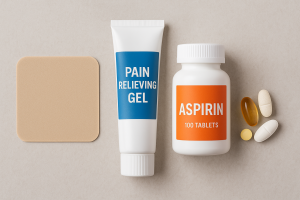
One effective non-prescription method is using topical pain relievers. These are creams, gels, or patches you put right on your skin where it hurts. They work well for joint pain, especially in knees and hands.
For example, gels containing ingredients like diclofenac are common. You can buy some, like Voltaren gel, without a prescription. These gels reduce swelling and pain by lowering inflammation right at the spot. Because they stay mostly on your skin, they cause fewer side effects than pills.
Capsaicin creams are another type. They come from chili peppers and reduce pain by lowering signals sent by nerves. When first used, they may cause a warming or tingling feeling. Over time, this helps your pain nerves become less sensitive.
Practical tip: Apply topical gels or creams to clean, dry skin. Use the amount the package says and wash your hands after. Avoid putting them on broken skin. For patches, stick them where you feel pain and leave them on for the time advised, usually several hours.
Case example: Jane, who has knee arthritis, uses Voltaren gel twice a day. She says it helps her walk longer and climb stairs with less pain. She likes that she doesn’t get stomach upset like when she took pills before.
Over-the-Counter Pills with Care: Acetaminophen and NSAIDs
Some pills you can buy without a prescription also help with pain. Acetaminophen (Tylenol) is one. It helps with mild to moderate pain but usually does not reduce swelling.
Nonsteroidal anti-inflammatory drugs (NSAIDs) like ibuprofen (Advil, Motrin) and naproxen (Aleve) are also available over the counter. They reduce both pain and swelling by blocking enzymes that cause inflammation. However, NSAIDs can cause stomach pain or bleeding, especially if taken too much or for a long time.
Real-world tip: If you use NSAIDs, take them with food to help your stomach. Don’t take more than the label says, and avoid mixing different NSAIDs. If you have stomach problems, kidney issues, or heart conditions, check with a doctor before use.
Example scenario: Tom has joint pain from overuse. He takes ibuprofen only when pain is strong and uses topical gels on other days. This way, he lowers risks from pills but still gets relief.
Natural Supplements and Herbal Remedies
Many people look for natural ways to reduce pain. Some supplements have been studied and may help reduce inflammation and joint pain. These include:
- Turmeric: Contains curcumin, which can block inflammation. Adding turmeric powder to food or taking capsules can soften joint pain.
- Ginger: Acts like a mild anti-inflammatory. Fresh ginger tea or supplements may ease pain and swelling.
- Omega-3 fatty acids: Found in fish oil and some plants like flaxseed. They help reduce joint stiffness and pain over time.
- Capsaicin: As mentioned, this natural compound helps when used as creams.
Important note: Supplements are not closely regulated, so choose brands that test their products. Always talk to a doctor before starting supplements, especially if you take other medicines.
Practical use: Sarah, who has arthritis, started taking omega-3 supplements after talking with her doctor. She combined this with turmeric in cooking. Over months, she noticed less morning stiffness and could move more easily.
Using Non-Drug Methods Alongside Non-Prescription Options
Non-prescription methods work best when combined with healthy habits. For example, exercise can reduce pain and improve joints. Losing excess weight lowers stress on joints and reduces pain.
Simple techniques like gentle stretching or short walks give muscles strength to support joints. When pain flares up, using a heat pack at home or gentle topical creams can help reduce discomfort without pills.
Example: Mark uses a warm compress on his stiff knees in the morning. Then, he applies a topical gel after his walk. This combination helps him stay active and avoid stronger pain medicines.
Action Steps for Safe Non-Prescription Pain Relief Use
- Always follow instructions on labels for creams and pills.
- Apply topical products only to the painful area, not to broken skin.
- Don’t mix different pain medicines without advice from a doctor.
- Start with the lowest effective dose for pills and stop if side effects occur.
- Consider supplements only after consulting with your healthcare provider.
- Use these options as part of a broader plan including movement and healthy weight.
By choosing the right combination of these non-prescription pain relief options, you can better control your joint pain safely at home. These tools work like a puzzle—when put together properly, they help you move more and hurt less without heavy medicines.
Physical Therapy and Rehabilitation
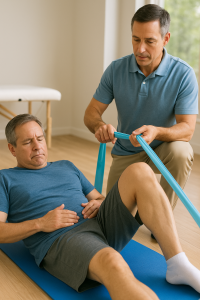 Did you know that physical therapy can be like tuning up a car? Just like a car needs fixing and care to run smoothly, your body needs specific exercises and therapies to reduce pain and move better. Physical therapy and rehabilitation help your body heal and get stronger after injury or because of chronic pain.
1. How Physical Therapy Helps Reduce Pain and Improve Movement
Physical therapy uses guided movement to help your body work better. It does not just focus on stopping pain for a short time, but helps your body get stronger and more flexible so pain lowers over time. For example, if you have arthritis, your physical therapist will teach you exercises to strengthen muscles around your joints. Stronger muscles help protect joints and reduce stress on them. This can make daily actions like walking or climbing stairs easier and less painful.
Let's look at a case: Mary, who is 55 years old, has knee pain from arthritis. Her physical therapist gave her a plan including gentle leg strengthening exercises like straight leg raises and mini-squats. After a few weeks, Mary felt less pain and could move around more without discomfort. These exercises also reduced her stiffness, especially in the morning.
Physical therapy includes special hands-on treatments, like joint mobilization and myofascial release. These techniques gently move your joints or soft tissues to reduce pain and improve how they work. For instance, joint mobilization helps stiff joints move more freely, while myofascial release loosens tight muscles and fascia (the tissue around muscles). Together, these help you feel less pain and move easier.
2. Building Strength and Flexibility to Support Joints and Reduce Injury
Strength training is a key part of physical therapy for chronic pain. It makes muscles around your joints stronger, giving the joints better support. This lowers the chance of joint pain and injury. For example, strengthening hip muscles can reduce pressure on the knees and lower back. This helps people avoid pain while doing everyday activities like standing, walking, or carrying groceries.
Here is a simple strength exercise used by therapists called the "Glute Bridge." You lie on your back with knees bent. Then, you lift your hips up while squeezing your buttocks. This helps strengthen your lower back and hips. Doing 8-10 repetitions several times a week can reduce back pain and increase your mobility.
Flexibility exercises are also important. Tight muscles and joints can cause pain and limit movement. Stretching helps improve flexibility so you can move without pain or stiffness. For example, gentle stretching of the shoulders can reduce pain caused by rotator cuff injuries common in middle-aged adults.
Physical therapy often includes a mix of strength and flexibility work. For instance, physical therapists might combine strengthening exercises with stretching to improve joint range of motion and muscle function. This combination can help you stay active and avoid injuries.
3. Improving Balance and Coordination to Prevent Falls and Increase Stability
Balance and coordination tend to get worse with age, increasing the risk of falls and injuries. Physical therapy helps train your body to stay steady and prevent falls. Therapists use special exercises that make your muscles and brain work together better.
A common balance exercise is the "Single-leg Stand." You stand on one leg for 30 seconds, holding onto a chair if needed. This simple step improves your coordination and ankle strength. Over time, it helps you walk and move safely without fear of falling.
Another example is doing squats on an unstable surface, like a balance board or BOSU ball. This challenges your body to stay steady and builds strength in your knees and ankles. These exercises especially help active adults who want to keep playing sports or doing fitness activities without injury.
Improving balance through physical therapy also supports confidence in movement. For example, Tom, a 60-year-old man, felt unsteady on his feet and afraid to walk outside alone. His therapist guided him through balance and coordination drills. After weeks of therapy, Tom felt more stable and confident, which allowed him to enjoy walking in his neighborhood again without worry.
Practical Tips for Using Physical Therapy and Rehabilitation
- Start with a professional plan: Always work with a physical therapist to get a program tailored to your needs. This helps prevent injury and targets the right muscles and joints.
- Be consistent: Doing your exercises regularly, even at home, makes a big difference. Aim for 2-3 sessions a week as a start.
- Listen to your body: Exercises should not cause sharp or worsening pain. Tell your therapist if something hurts, so they can adjust your program.
- Include balance and strength work: Both are essential. You might do leg lifts, wall push-ups, stretching, and balance drills.
- Use simple tools: Resistance bands, light weights, or even household items can be used safely for strengthening.
- Track your progress: Keep a journal of exercises and how your pain changes. This helps you and your therapist adjust your plan for the best results.
Case Study: From Pain to Activity
John is 58 and had chronic lower back pain for years. He tried pain pills but wanted a better solution. His physical therapist designed a plan including strength exercises, stretching, and balance training. John did daily "cat-cow" stretches to increase spine flexibility, glute bridges for strength, and single-leg stands for balance.
After two months, John reported less pain and better sleep. He could do yard work and play with his grandchildren without fear. This shows how physical therapy helps rebuild function and reduce pain by treating the whole body, not just symptoms.
Manual Techniques and Their Role in Rehabilitation
Physical therapists may use hands-on methods like gentle massage, joint mobilization, and myofascial release to complement exercises. These help loosen stiff tissues and improve blood flow. For example, if your shoulder feels tight and painful, manual therapy can ease the muscle tightness and allow you to move better. This hands-on work often makes exercises easier and more effective.
Electrical stimulation (like TENS units) may also be part of your therapy. These devices send small electrical pulses to nerves to reduce pain signals. When used with active exercises, they help patients feel better and progress faster.
Psychological Benefits of Physical Therapy
Besides physical improvements, physical therapy supports mental well-being. Doing exercises regularly releases natural mood boosters called endorphins. This can help reduce anxiety or depression linked to chronic pain. Many patients find that working with a therapist gives them hope and confidence. Seeing progress, even small steps, motivates them to keep going.
Summary of How Physical Therapy Supports Long-Term Pain Relief
Physical therapy builds strength, improves flexibility, and enhances balance. These changes protect joints and reduce pain over time. Tailored programs include exercises, manual therapy, and sometimes electrical tools. Physical therapy also boosts mental health by increasing confidence and mood.
For middle-aged adults with chronic pain, physical therapy is a key way to regain control and enjoy daily life. Stay consistent, listen to your body, and work closely with your therapist for the best results.
Heat, Cold, and Hydrotherapy
Have you ever wondered why athletes use ice packs after a game and warm towels before stretching? Heat, cold, and hydrotherapy are powerful tools to help manage long-term pain, especially in joints and muscles. They work in different ways but can be used together to keep your body comfortable and moving better.
How Heat Therapy Helps Joint Pain
Heat therapy is like a gentle hug for your muscles and joints. It helps by relaxing tight muscles and easing stiffness. For example, if you wake up with stiff knees or fingers from arthritis, applying heat can warm those areas and make it easier to move.
One way to use heat safely is by soaking in a warm bath or using a heating pad wrapped in a towel. The water or pad should be warm but not hot—usually between 92 and 100 degrees Fahrenheit is comfortable for most people. This warmth increases blood flow, which helps joints get the nutrients they need and softens muscles around the joints.
Here’s a real-life example: Mary, a 55-year-old with osteoarthritis, finds that taking a 20-minute warm shower before her morning walk helps loosen her joints. She also uses a moist heat pad on her knees in the evening. This routine reduces her joint stiffness and pain, making daily activities easier.
To get the most benefit, apply heat for about 15 to 20 minutes at a time. Avoid using heat directly on broken skin or if your area is swollen or red, as heat can make inflammation worse.
When Cold Therapy Is Best
Cold therapy works in the opposite way from heat. It helps by shrinking blood vessels to reduce swelling and numbing pain. If your joints or muscles are inflamed or swollen, cold can calm those symptoms quickly.
Imagine you had a flare-up of arthritis or a twisted ankle. Applying an ice pack wrapped in a thin towel for 15 to 20 minutes can reduce swelling and ease the pain. You want to avoid leaving ice on too long because it can hurt your skin.
Cold therapy is especially useful after exercise to cool down sore muscles and joints. John, a 60-year-old with rheumatoid arthritis, uses cold packs after his daily workout to help with post-exercise achiness. He keeps several gel cold packs in his freezer ready to use.
Remember, never apply ice directly to your skin. Always wrap the cold source in a towel or cloth. Limit cold therapy sessions to 20 minutes to protect skin and tissue.
Using Heat and Cold Together: Contrast Therapy
Sometimes, switching between heat and cold creates a “pumping” effect. This helps flush inflammation from joints and muscles and improves blood flow.
Contrast therapy means soaking or applying warm and cold treatments alternately. For example, you could dip a swollen hand in warm water for 3 minutes, then cold water for 1 minute. Repeat this cycle 3 to 5 times over 20 to 30 minutes.
Here’s how it works: Warmth opens blood vessels, allowing fresh blood to rush in. Cold closes vessels, helping stop swelling. The switch creates a gentle pump that moves fluids through tissues better.
People recovering from injuries or arthritis flare-ups often use contrast therapy to reduce pain and improve joint motion. Sarah, recovering from a hand injury, uses contrast baths and says it helps her fingers stay flexible without pain.
Important tips for contrast therapy:
- Keep warm water between 100 to 104 degrees Fahrenheit and cold water between 46 to 50 degrees Fahrenheit.
- Do not continue if hot water feels too hot or cold water too cold.
- Rest the area after the treatment before moving or using it vigorously.
Hydrotherapy: Healing with Water
Hydrotherapy means using water’s properties to help your body heal and stay strong. It combines warmth, pressure, and buoyancy to ease pain and improve movement.
One big benefit of hydrotherapy is that water supports your body weight. This means your joints don’t have to carry as much weight. It feels like floating and makes movement easier and less painful.
For example, Joe, who has knee arthritis, swims in a warm pool several times a week. The water’s warmth relaxes his muscles, and the buoyancy helps his knees move without pressure. This helps Joe build muscle strength around his joints and improves his flexibility.
Hydrotherapy pools often have extra features, like underwater treadmills or jets, which massage and strengthen muscles. These features can improve balance and coordination, especially important for older adults trying to avoid falls.
You can also try simple hydrotherapy at home:
- Take warm baths to relax joints and muscles.
- Do gentle exercises in a warm pool to reduce stiffness and build strength.
- Use water jets or massage from a hot tub to relieve muscle tension.
The warmth in hydrotherapy increases blood flow, helping your body heal. It also eases stress, which can make pain feel less intense.
Practical Tips for Heat, Cold, and Hydrotherapy
Here are easy steps to use these therapies safely and effectively:
- Heat Before Movement: Use heat therapy like warm baths or heating pads before exercise or physical activity to loosen stiff joints.
- Cold After Movement: Apply cold therapy to reduce swelling or pain after exercise or activity.
- Alternate When Needed: Try contrast therapy for stubborn swelling or when joints feel both stiff and painful.
- Stay Safe: Never apply extreme heat or cold directly to your skin. Use barriers like towels.
- Limit Time: Use heat or cold for about 15-20 minutes at a time to avoid skin damage.
- Hydrotherapy Options: Seek pools with warm water for exercise or relaxation, or try warm baths at home.
- Consult Your Doctor: Always check with your healthcare provider before starting any new therapy, especially if you have circulation problems or sensitive skin.
Detailed Example: Using Heat and Cold for Arthritis
Jane has arthritis in her hands. Each morning, her fingers are stiff and painful. She soaks her hands in a warm bowl of water for 15 minutes. This warm soak relaxes her muscles and loosens the joints. After her hand exercises, Jane puts a cold pack on her fingers for 15 minutes. The cold reduces swelling from the movement and dulls the pain.
Jane repeats this daily routine and finds she can grip objects better and feels less joint stiffness. She also uses a moist heat pad wrapped in a towel during the day if her hands feel tight. This routine is a simple way she manages arthritis pain using heat and cold.
Detailed Example: Hydrotherapy for Mobility
Tom has long-term pain in his hips and knees from osteoarthritis. His doctor suggests hydrotherapy exercises in a warm pool. At the community center, Tom walks slowly underwater on a treadmill. The water supports his weight and cushions his joints. He also does gentle leg lifts against water resistance, which builds muscle strength without pain.
After weeks of hydrotherapy, Tom notices less pain and better balance. The warm water relaxes his muscles and the exercises help keep his joints flexible. This low-impact workout improves his ability to walk and climb stairs without discomfort.
Tom’s hydrotherapy routine includes:
- Warm water sessions 3 times a week.
- Underwater walking and resistance exercises.
- Stretching joints gently in water before getting out.
This shows how hydrotherapy can be part of a long-term pain management plan, helping people stay active with less pain.
Massage and Manual Therapies
Did you know that massage and manual therapies can be like a gentle tune-up for your body's joints and muscles? These therapies work by using hands-on techniques to help joints move better and muscles feel less tight. Think of your body like a door hinge that sometimes gets rusty. Massage and manual therapies help oil that hinge so it swings smoothly without creaking or sticking.
1. How Massage Therapy Helps Improve Joint Movement and Reduce Pain
Massage therapy focuses on soft tissues like muscles and tendons. These tissues can become tight from stress, injury, or arthritis. When muscles are tight, they pull on joints, making movement painful. Massage relaxes these muscles and eases that pull.
For example, imagine someone named Sarah who has stiff knees from arthritis. She gets regular massage sessions that include kneading and gentle stretching around her knee. Over time, Sarah notices her knees feel less stiff, and moving up stairs becomes easier. This happens because the massage helped improve blood flow to her muscles and joint area, which reduces swelling and pain.
Another key point is that massage helps increase the natural lubrication inside joints. When a joint is well-lubricated, bones glide smoothly instead of rubbing painfully against each other. Techniques like joint mobilization during massage can encourage the body to produce more synovial fluid, which acts like oil in the joints. This makes bending and straightening joints feel more comfortable.
Practical tip: To get the most from massage therapy, try combining it with gentle movements you can do at home. After your massage, do light stretches while your muscles feel relaxed. This helps keep your joints moving freely longer.
2. Manual Therapy: Targeted Techniques to Restore Motion and Ease Pain
Manual therapy is a special type of treatment done by licensed physical therapists or chiropractors. It goes beyond general massage to include techniques like joint mobilization and passive stretching. These focus on moving joints in specific ways to increase range of motion and reduce pain.
Take John’s story. John had lower back pain that made bending difficult. His therapist used manual therapy to gently move his spine and stretch tight tissues around it. This hands-on work helped John's spine regain flexibility over several sessions. Along with specific exercises, this allowed John to return to gardening without pain.
Manual therapy also helps break down scar tissue and adhesions. Scar tissue can form after an injury or surgery and make movement harder. Therapists use firm pressure or slow stretches to soften these tight spots. This improves how muscles and joints work together.
Step-by-step process in manual therapy might include:
- Assessment: Therapist checks how well your joints move.
- Targeted mobilization: Gentle movements to improve movement in stiff joints.
- Soft tissue techniques: Hands-on work to loosen muscles and fascia (the tissue around muscles).
- Stretching: Passive stretches where the therapist moves your limb to gain flexibility.
- Follow-up exercises: To keep the gains made through therapy.
Practical tip: When you get manual therapy, ask your therapist for advice on daily activities or simple stretches to keep your joints from stiffening again. Regular follow-up is key for lasting results.
3. Combining Massage and Manual Therapies for Best Results
Many people find the best pain relief comes from combining massage and manual therapies. Massage helps relax muscles and reduce tension, while manual therapy focuses on joint movement and healing.
Consider Emma, who has wrist pain from arthritis. She receives massage therapy to ease muscle tightness around her wrist and manual therapy to improve joint movement. Together, these treatments help Emma do daily tasks like typing and cooking with less pain.
Massage can also prepare muscles and soft tissues for manual therapy. When muscles are relaxed, manual therapy techniques work more effectively. This approach improves flexibility and joint motion with less discomfort.
One important example is myofascial release, a technique often used during both massage and manual therapy. It targets the fascia, a thin tissue layer that can get tight and block movement. Gentle, sustained pressure helps stretch and soften the fascia, freeing up movement and reducing joint pressure.
Practical tip: If you have chronic joint pain, ask your provider if you can combine massage and manual therapy. Scheduling regular sessions that include both can help you improve mobility faster and maintain better joint health.
Real-World Applications and Care Tips
- For Morning Stiffness: Many middle-aged adults wake up with stiff joints. Massage combined with manual therapy can reduce this stiffness. Try scheduling treatments in the morning to feel looser throughout the day.
- For Chronic Pain: Regular massage and manual therapy sessions can reduce long-term pain. People with arthritis who stick to these therapies notice less swelling and better joint function.
- For Active Lifestyles: People who stay active, like runners or gardeners, use these therapies to prevent injury. Massage helps muscles recover faster, and manual therapy keeps joints flexible.
Example: Mark, a 50-year-old runner, uses sports massage to relax tight leg muscles after running. He also gets manual therapy to stretch his hip joints. This combination helps Mark run longer with less pain and quicker recovery times.
Tips to Maximize Benefits of Massage and Manual Therapies
- Be consistent. Regular appointments create lasting change.
- Communicate your goals clearly with your therapist. Do you want to improve flexibility, reduce pain, or both?
- Follow at-home exercises your therapist recommends. This keeps results going between sessions.
- Stay hydrated before and after therapy. Water helps flush out toxins and supports tissue healing.
- Combine with heat or cold therapy if advised. These can soothe tissues before or after hands-on work.
By making massage and manual therapies a part of your care plan, you are actively improving your body's “joint mechanics.” This means your muscles and joints work better together, reducing pain and improving how you move every day.
Cognitive Behavioral Approaches
Did you know your thoughts can change how much pain you feel? Cognitive Behavioral Approaches help you manage pain by changing how you think and act. Imagine your brain as a remote control. When pain comes up, you can learn to press buttons that lower the volume of pain in your mind.
Let’s explore three key parts of these approaches that help people handle chronic pain better:
- Changing Pain-Related Thoughts
- Building Coping Skills for Pain Flare-Ups
- Using Mindfulness to Stay Present
Changing Pain-Related Thoughts
Many people with chronic pain have thoughts that make pain feel worse, such as “This pain will never end” or “I can’t do anything because of my pain.” These thoughts can make people feel hopeless and stop trying to move or do things they enjoy.
Cognitive Behavioral Approaches teach you to notice these thoughts first. Then, you learn to challenge them with questions like, “Is this thought really true?” or “What is a more helpful way to think about this pain?” This step is called cognitive restructuring.
For example, instead of thinking, “I can’t walk because of my pain,” you might say, “I have pain, but I can still try short walks and gradually increase my movement.” This new thought can help you feel more hopeful and motivate you to stay active.
Here’s a real-world example: Sarah has arthritis and felt stuck thinking her pain made her useless. With cognitive behavioral help, she wrote down her negative thoughts and come up with new ones. Over time, she started doing gentle exercises and felt less pain. This shows how changing thoughts can lead to better action and less suffering.
Practical tip: Keep a “thought diary” for a week. Write down painful moments and what thoughts came up. Then, write one helpful or kinder thought next to each negative one. This simple step can start changing how pain feels.
Building Coping Skills for Pain Flare-Ups
Pain flare-ups are times when your pain feels worse suddenly. Cognitive Behavioral Approaches teach ways to handle these tough moments. Instead of feeling overwhelmed, you learn to use coping skills that you practiced ahead of time.
One useful coping skill is thought stopping. This means when a negative thought about pain starts, you say “Stop!” in your mind and replace it with a calming or strong thought. For example, “I can handle this flare-up” or “This will pass.”
Another skill is problem-solving. You break down problems into small steps. If a flare-up makes walking hard, instead of thinking, “I can’t do anything,” you see what you can do in small bits like “I will rest for 10 minutes, then try walking to the kitchen.”
Goal setting is also important. Setting small goals, like walking 5 minutes more each day, helps you build confidence. Support seeking is about talking with friends, family, or support groups when pain feels too much. Sharing with others makes the load lighter.
For example, John uses thought stopping when his back pain worsens. He tells himself, “This pain will not stop me,” and then tries gentle stretching. He plans his day with small activity goals and feels proud when he meets them. These actions help John stay active and reduce his pain’s hold on him.
Practical tip: Before a flare-up happens, write down your personal coping plan. Include what thoughts you'll tell yourself, small actions you can take, and who you can call for support. Keep this plan handy so you’re ready.
Using Mindfulness to Stay Present
Mindfulness means paying attention to the present moment without judgment. In cognitive behavioral work, mindfulness helps you notice pain without getting upset or fighting it. This can lower stress and make pain less overwhelming.
Think of mindfulness like watching clouds move by. You see the pain come and go like clouds, without holding on tightly. This attitude helps you stay calm and keeps your mind from adding extra worries about the pain.
To practice mindfulness, you can try simple breathing exercises. For example, sit quietly and focus on your breath going in and out slowly. When pain or worry about pain comes, gently bring your attention back to your breath.
A story: Emma felt her knee pain cause frustration and anger. After learning mindfulness, she practiced noticing pain as just a feeling that moves through her body. She stopped fighting it and found it bothered her less. Mindfulness helped Emma keep her calm and do daily tasks more easily.
Practical tip: Spend five minutes each day sitting quietly and focusing on your breathing. When your mind wanders to pain, kindly bring your focus back to your breath. This simple exercise builds your ability to stay present and manage discomfort.
Putting It All Together: A Step-By-Step Plan
- Step 1: Notice Your Thoughts - Pay attention to what you say to yourself about pain.
- Step 2: Challenge Negative Thoughts - Ask if they are true or helpful.
- Step 3: Replace With Helpful Thoughts - Think what can help you feel more in control.
- Step 4: Prepare Coping Skills - Write down ways to handle flare-ups, like thought stopping and goal setting.
- Step 5: Practice Mindfulness - Regularly do breathing exercises to improve focus and calm.
- Step 6: Use Your Plan When Pain Happens - Follow your coping steps and stay aware of your thoughts.
This plan helps you become the boss of your pain experience. It changes how your brain reacts to pain and helps you live your life with less fear and more action.
Real-Life Impact and Results
Research shows people who use cognitive behavioral approaches for pain report feeling less intense pain and more satisfaction with life. These methods help reduce stress and stop the “pain cycle” where pain causes worry, and worry makes pain worse.
For middle-aged people with joint pain, these approaches enable easier daily movements. For example, Jim learned to set small exercise goals instead of stopping because of pain. Over months, he improved his mobility and reduced stiffness, starting days with more ease.
Another example is Lisa, who used mindfulness and cognitive restructuring. She stopped focusing on “never getting better” and started noticing when pain was less. She found she could enjoy hobbies again and sleep better at night.
Extra Tips to Make the Most of Cognitive Behavioral Approaches
- Practice skills regularly, even when pain is low. This builds your pain "muscle."
- Be patient. Changing thoughts and habits takes time.
- Write your progress in a journal. Celebrate small wins.
- Ask a friend or family member to remind you to use your coping skills when you forget.
- Consider group sessions or online programs. Many find support and learn new ideas together.
Remember, cognitive behavioral approaches are not magic fixes. They are tools that you learn to use every day. The more you practice, the stronger you get at managing pain. You gain control over your pain, not the other way around.
Relaxation and Stress Reduction Methods
Did you know that stress can make joint pain feel worse? When your body is tense or worried, it can send more pain signals to your brain. That’s why using relaxation and stress reduction methods can be a powerful way to manage pain long-term. These techniques calm your body and mind, helping reduce pain and improving your overall comfort. Let’s explore the most effective relaxation methods with real examples and practical steps.
1. Deep Breathing Exercises
Deep breathing is like giving your body a mini-break. It slows down your heart and eases your muscles, helping to reduce pain. Imagine your body is like a balloon. When you breathe in deeply, the balloon fills up slowly, then gently empties when you breathe out.
How to practice deep breathing:
- Sit or lie down comfortably.
- Place one hand on your belly and the other on your chest.
- Breathe in slowly through your nose, letting your belly rise while your chest stays still.
- Exhale gently through your nose, letting your belly fall.
- Repeat this slow breathing for 5 to 10 minutes.
Example: Maria, a 55-year-old with arthritis, uses deep breathing when her knee pain flares. She finds that spending 10 minutes each morning doing this helps her feel calm and lowers her pain levels throughout the day.
Tip: Use deep breathing anytime you feel tense or pain increasing. It can be done almost anywhere, like sitting at your desk or resting before bed.
2. Progressive Muscle Relaxation (PMR)
PMR is a step-by-step method where you tighten a group of muscles, hold the tension for a few seconds, and then relax them fully. This helps your body let go of stress and muscle tightness that often adds to pain. Think of it like squeezing a sponge and then letting all the water flow out.
Steps to do PMR:
- Find a quiet and comfortable spot to sit or lie down.
- Start with your feet. Tighten the muscles as hard as you can for 5 to 10 seconds.
- Let go all at once and feel the muscles relax deeply.
- Move up to your lower legs, then thighs, stomach, hands, arms, shoulders, neck, and face.
- Spend time noticing the difference between tension and relaxation in each muscle group.
Example: John, who struggles with back pain, practices PMR every evening. He says it helps him sleep better and eases his pain by loosening the tight muscles he didn’t realize were tense during the day.
Tip: Set aside time daily for PMR. It works best when done regularly, not just when pain gets bad. You can also use guided recordings to lead you through the process.
3. Guided Imagery
Guided imagery uses your imagination to help you feel calm and take your mind off the pain. You picture a safe, happy place and imagine all the senses involved—what you see, hear, smell, and feel. This mental escape can lower your pain by flooding your brain with positive images and feelings.
How to try guided imagery:
- Close your eyes and take a few deep breaths.
- Think of a place that makes you feel peaceful—like a beach, garden, or cozy room.
- Focus on the details, such as the color of the sky, the sound of waves, the scent of flowers, or the warmth of the sun.
- Stay with these images for 5 to 10 minutes while breathing slowly and calmly.
Example: Susan finds that imagining a quiet forest helps her manage her hand pain when it gets bad. She says it’s like taking a mini-vacation inside her mind that relaxes her.
Tip: Use guided imagery whenever you have a few minutes. You can also listen to recordings that lead you through relaxing scenes if you find it hard to focus at first.
Why These Methods Work
All these relaxation techniques work because they calm your nervous system. Pain signals travel through the nervous system to your brain. When your body is relaxed, your brain notices fewer pain signals and feels calmer. This creates a cycle where relaxation lowers pain, and less pain helps you relax more.
For example, think of your nervous system like radio waves. When your body is stressed, many “pain signals” flood the airwaves. Relaxation acts like a noise-canceling system, reducing these signals so your brain hears less pain.
Putting It All Together: Daily Routine Example
Here’s how someone might use these methods daily:
- Morning: Start the day with 5 minutes of deep breathing to set a calm tone.
- Afternoon: Use guided imagery during a break, imagining a peaceful place to refresh the mind and reduce pain.
- Evening: Practice progressive muscle relaxation before bed to release tension and prepare for restful sleep.
This mix helps manage pain throughout the day and supports better sleep, which is important for healing and feeling good.
Practical Tips for Success
- Be consistent: Try to practice these techniques every day. The benefits grow over time.
- Start small: Begin with just a few minutes and slowly increase as you get comfortable.
- Find a quiet space: Choose a calm spot where you won’t be disturbed to help focus better.
- Use reminders: Set alarms or notes to remind you to practice, especially in the beginning.
- Combine with other strategies: Use relaxation alongside your exercise and medication plans for best results.
Real-Life Story: How Relaxation Changed One Person’s Pain
Mark, age 60, had struggled with chronic knee pain for years. At first, he only used pain pills, but the pain kept coming back. A therapist taught him deep breathing, PMR, and guided imagery to add to his routine. Mark started doing these every day. After a few weeks, he noticed his pain was less intense. He also slept better and felt less stressed. Mark said, “Relaxing wasn’t just about feeling calm, it was like turning down the pain volume inside me.”
This story shows that relaxation methods give people tools to control their pain actively. They don’t replace medicine but help the mind and body work together to manage discomfort.
Additional Relaxation Techniques to Explore
Besides the three main methods, some people find success with:
- Mindfulness meditation: Paying attention to the present moment without judging helps reduce pain-related stress.
- Yoga and gentle stretching: Although related to movement, they also promote body calmness and reduce muscle tension.
- Self-hypnosis: Learning to guide yourself into a focused, relaxed state can shift attention away from pain.
Trying different methods can help you find what fits your needs and lifestyle best.
Summary
Relaxation and stress reduction methods are key tools to ease long-term pain. Deep breathing, progressive muscle relaxation, and guided imagery each help your body and mind calm down. This calmness lowers pain signals and lets you feel more comfortable. Practicing these methods daily, with patience and consistency, can bring real relief and improve your quality of life.
Acupuncture and Alternative Therapies
Did you know that acupuncture can act like a key that unlocks the body's own healing power? It uses tiny needles to help ease joint pain and improve how your body works. This method is not just about pain relief but also about helping you move better and feel better in daily life.
One important way acupuncture helps is by reducing pain and lowering inflammation. When thin needles are placed in certain spots, they send signals to your brain to release natural painkillers like endorphins. These chemicals help you feel less pain. Acupuncture also helps the body make cortisol, a hormone that controls swelling and inflammation. This is really helpful if you have arthritis or joint pain.
For example, a person with knee arthritis might get acupuncture treatments twice a week. After a few sessions, they often notice less pain and can walk farther without discomfort. This means they can do more activities, like gardening or walking with friends, which they had to skip before. One study showed that people treated with real acupuncture could walk farther in six minutes than those who got fake (sham) acupuncture. This shows acupuncture helps not just pain but also how well the joints work.
Another key point is that acupuncture works well along with other treatments. Take a person with chronic knee pain. They might get acupuncture plus exercise or physical therapy. This combination often gives better results than just one alone. The acupuncture reduces pain and swelling, which lets the person move more during therapy. This helps muscles around the joint get stronger and supports the joint better. Doctors call this a "synergistic effect," where two treatments together make a bigger difference.
A 2019 study found that patients who had both acupuncture and chiropractic care for arthritis felt more pain relief and moved better than those who only had one treatment. Chiropractic care helps adjust joints and spine, while acupuncture calms pain and inflammation. Together, they attack the problem from two sides, boosting overall results.
Acupuncture is also cost-effective. It can save money by reducing the need for medicines or surgery. For knee osteoarthritis, studies show acupuncture is worth the cost because it improves quality of life at a wise price. This is important because managing joint pain often requires long-term care. Spending money on treatments that really work helps people stay active and avoid more serious problems.
Let's look at how acupuncture treatment usually works. First, a trained acupuncturist talks with you about your pain and health. Then, they carefully place tiny needles in specific spots on your body. The needles usually stay in place for 20 to 30 minutes. You might feel a small pinch or a warm, tingling feeling. The treatment plan often involves several sessions over weeks or months.
One person with stiff, painful knees might start with two sessions a week for 4 weeks. After that, sessions may be spaced out. The goal is to reduce pain enough so daily movements get easier. Patients often say that acupuncture helped them wake up with less stiffness. This can make mornings more comfortable and get the day started without pain slowing them down.
Practical tips for those trying acupuncture include:
- Choose a licensed and experienced acupuncturist to ensure safe treatment.
- Wear loose clothing so areas like knees, arms, or back are easy to access.
- Keep track of your pain and mobility before and after sessions to notice progress.
- Be patient; benefits may build up after several treatments, not just one.
Besides acupuncture, other alternative therapies often help with joint pain too. Massage therapy is one good example. It helps by relaxing tight muscles around joints and improving blood flow. This can lower stiffness and help joints move more freely. A regular massage routine might be combined with acupuncture for even better results.
Tai chi and yoga are gentle exercises that also fall under alternative therapies. Both focus on slow, mindful movements that improve balance, flexibility, and muscle strength. For someone with knee or hip pain, these activities strengthen the muscles supporting the joints. Doing them regularly can reduce the chance of falls and make everyday tasks easier.
Imagine someone with arthritis who practices tai chi twice a week. Over time, they notice less joint pain and better balance. This means climbing stairs or walking on uneven ground feels safer. The calming nature of tai chi also helps reduce stress, which can otherwise make pain feel worse.
Herbal supplements like turmeric or ginger offer natural ways to fight joint inflammation. These herbs have chemicals that act like mild anti-inflammatory medicines. However, it’s important to talk with a doctor before starting supplements, because they might interact with other medicines or may not be right for everyone.
Here is a simple way alternative therapies can work together:
- Acupuncture reduces pain and inflammation.
- Massage therapy loosens muscles and improves circulation.
- Tai chi or yoga strengthens muscles and improves balance.
- Herbal supplements support the body’s fight against swelling.
- Combining these helps you move more and feel less pain every day.
A real-life story: Jane, aged 55, had knee osteoarthritis. She started acupuncture twice a week and added tai chi classes. After two months, Jane reported less pain and better knee movement. She could garden again and felt confident walking longer distances. Her doctor noted that this holistic care helped reduce her arthritis symptoms without extra medications.
In summary, acupuncture and alternative therapies offer options beyond pills and surgery. They work by using the body’s natural healing methods. These approaches can reduce pain, help joints move better, and improve overall function. For many with joint pain, combining acupuncture with other therapies gives the best results for long-term relief.
Working with Pain Management Specialists
Imagine pain management specialists as skilled guides helping you navigate a tricky mountain path. They use many tools to help you manage pain and improve your life. Working with these experts can open new ways to control pain that you might not find on your own.
What Pain Management Specialists Do
Pain management specialists are doctors or teams trained to help people with long-lasting pain. They focus on finding the cause of pain, then creating a plan just for you. This plan blends many treatments to make sure your pain is under control for a long time.
For example, if you have arthritis, they can suggest medicines, exercises, or special treatments that fit your needs. They also watch how you respond to treatments and adjust them to keep improving your comfort and movement.
Working Together: Personalizing Your Pain Plan
When you see a pain management specialist, the first step is a full check-up. They ask about your pain history, daily activities, and how pain affects your life. This helps them understand your unique situation.
Next, they may order tests—like X-rays or blood work—to get a clearer picture of what's causing your pain. With this information, they design a treatment plan that fits your body and lifestyle.
For instance, Mark, a 55-year-old with knee pain, visited a pain specialist. After tests, he received a mix of light-strength exercises, medication, and advice on using walking aids. Over months, his pain dropped, and he moved more easily. This shows how tailored plans work best.
Using Medications Wisely
Pain specialists help you use medicines in the safest and most helpful way. They may prescribe drugs like anti-inflammatories or pain relievers to reduce swelling and ease aches.
They monitor how these medicines affect you, watching for side effects or changes in pain. If a drug isn't working well, they may try another or adjust the dose. This careful check keeps you safe and comfortable.
Sometimes, specialists use injections like corticosteroids or hyaluronic acid directly into joints. These can give longer-lasting relief and improve joint cushioning. Your specialist will explain how these work and when they might be right for you.
Coordinating Care with Other Therapies
Pain management specialists often work with other healthcare providers like physical therapists, occupational therapists, or mental health counselors. This teamwork helps cover all parts of your pain and health.
For example, Sarah had arthritis pain and also felt stressed and tired. Her pain specialist coordinated care with a therapist for mental support and a physical therapist for movement exercises. This team effort helped Sarah feel stronger and happier.
This coordination means your treatments fit well together. Your specialist keeps track and makes sure everything works smoothly.
Advanced Options and Procedures
If usual treatments don’t work well enough, pain specialists can offer advanced methods. These include nerve blocks, which are medicines that stop pain signals from reaching your brain.
Another option is using devices that send mild electrical pulses to nerves. These help reduce pain by changing how nerves send signals. Your specialist will explain if these options suit your pain type.
Sometimes, specialists suggest referrals to surgeons if surgery might help. They guide you through what to expect and how to prepare. This careful planning helps avoid surprises and improves recovery.
Tips for Making the Most of Your Visits
- Be honest about your pain. Tell your specialist when pain worsens or if treatments cause side effects.
- Bring a list of medicines and supplements you take. Some can interact with pain treatments.
- Write down questions before your appointment. Specialists can explain options more clearly when they know your concerns.
- Follow your plan closely. Keep track of what helps or doesn’t, and share this feedback.
- Ask about lifestyle changes that can support your treatment, such as diet, exercise, or sleep habits.
Example Scenario: A Day with a Pain Specialist
Linda, 60, has osteoarthritis in her hips. During her visit, the specialist asks how pain affects her daily routine. Linda says mornings are hardest, and walking is painful.
The doctor suggests a mix of medicine to ease morning stiffness, a referral to physical therapy, and a trial of acupuncture to reduce pain. They also schedule a follow-up to check her progress.
At home, Linda keeps a pain diary, notes changes, and talks to the team at her next visit. Over time, this team approach helps Linda move better and sleep more restfully.
When to See a Specialist
If your pain stops you from doing daily tasks or lasts a long time despite home care, it’s time to see a pain management specialist. They can find new ways to help when over-the-counter medicines and rest are not enough.
Also, if pain causes sleep problems, stress, or depression, specialists can help with treatments that address these issues too.
Summary of Key Points to Remember
- Pain specialists create personalized, changing plans for long-term relief.
- Medications, injections, and advanced procedures are tools, used wisely and safely.
- Teamwork with therapists and counselors improves overall care.
- Clear communication with your specialist is vital for success.
- Seeing a specialist early can prevent pain from worsening.
Building a Healthier, More Comfortable Life with Pain Management
Managing long-term joint pain is not about quick fixes or one single treatment. Instead, it involves a thoughtful plan using many approaches that work together to help you move better, feel less pain, and live more comfortably. Throughout this lesson, you have learned how combining physical therapies, safe medications, natural remedies, relaxation techniques, and mental strategies creates a strong foundation for ongoing relief.
Improving mobility and flexibility through physical therapy and exercises strengthens the muscles around your joints and supports stability. Using heat and cold therapy helps ease stiffness and reduce swelling at just the right times. Non-prescription pain relievers and supplements, when used carefully, lower inflammation and discomfort without heavy side effects. Alternative treatments like acupuncture and massage provide gentle ways to boost healing and movement.
Importantly, addressing pain isn’t just physical. Relaxing your body and mind helps calm pain signals, while cognitive behavioral methods teach you to change negative thoughts and build skills to cope with flare-ups. Together, these empower you to take charge of your pain instead of feeling controlled by it.
Working with specialists and therapists ensures that your plan fits your personal needs and lifestyle. Their guidance and team support make managing pain safer and more effective, helping you enjoy better sleep, less morning stiffness, and easier daily activities.
Remember, progress takes time and patience. By combining these techniques and practicing them regularly, you build a stronger, more resilient body and mind. This leads to not only less pain but also a happier, more active life where you can do the things you love with greater ease. Embrace this journey with hope and confidence—each small step brings you closer to lasting relief and improved quality of life.